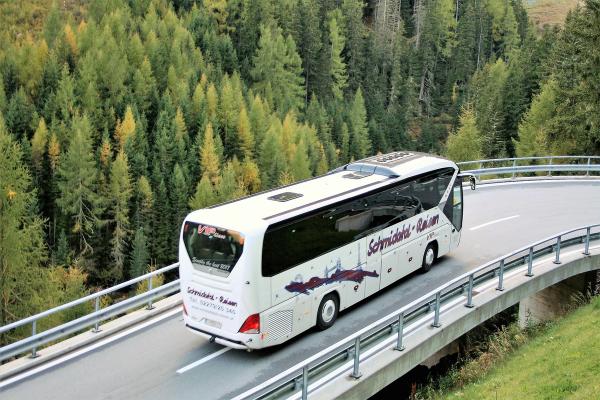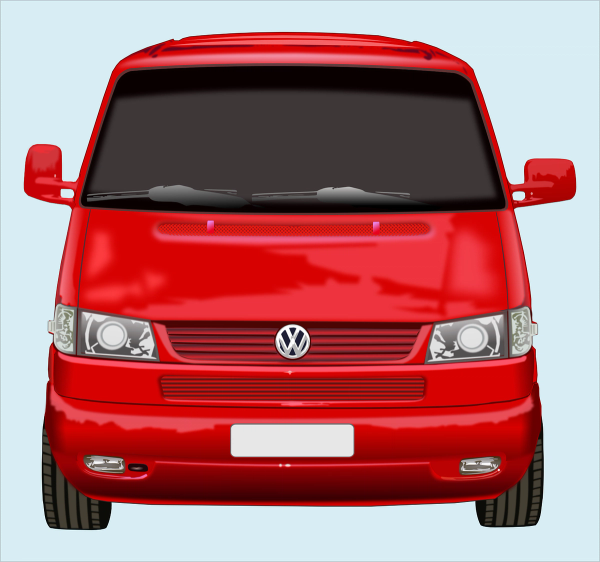
Katowice is one of the Polish cities where demand for passenger transport runs highest. People travel both within Poland and abroad, and hired transport works well for employee shuttles, airport transfers, trips to Germany or moving wedding guests between venues. It is convenient, saves time and usually costs less than the alternatives — provided you deal only with carriers holding the appropriate licence.
Whether you are booking as a company or as a private individual, the carrier deserves a careful look. Katowice and the wider Silesia region are home to a great many transport firms, but what ultimately makes the service legal is the licence. This is set out in the Polish Road Transport Act of 6 September 2001. Obtaining a licence means meeting formal requirements and filing a formal application — it is not a formality a carrier can skip.
Who can obtain a passenger transport licence
A licence to carry passengers at home and abroad is mandatory, and not everyone qualifies. Applicants must have a clean record with regard to fiscal offences and offences against property, among other conditions. To operate within Poland, a carrier needs a domestic transport licence. For journeys across the border, an international licence is required. Once you know which licence your route calls for, verifying that your chosen carrier holds it becomes straightforward.
What happens when the licence is missing
When someone carries passengers out of Katowice, Gliwice or Zabrze without a licence matched to the route, it is the travellers who bear the consequences. Reputable carriers understand the responsibility they carry: paperwork in order, safety on the road, comfort and punctuality. Most companies work exactly this way. Some, however, operate illegally, and an unusually low price is often the bait. It is not a risk worth taking.
Carrying passengers in Silesia — or anywhere else — without the required certificates and licence breaks the law, and the penalty for the carrier reaches PLN 10,000. It usually comes to light during a roadside inspection. If you happen to be travelling with such a company when that inspection takes place, you may be required to leave the vehicle. Continuing your journey then becomes considerably harder, particularly if you are left at the roadside in another country. The simplest way to avoid this is to confirm before departure that the company meets every requirement.
What else to check before booking
The licence is not the only thing worth verifying. Everyone wants to reach their destination safely and without complications, so it pays to ask about the technical condition of the fleet. Equipment comes next. Passenger transport is usually handled by minibuses fitted with air conditioning, reclining seats, Wi-Fi and a screen — details that matter far more on a long international run than on a short hop. Drivers should be experienced and familiar with the route; that experience prevents dangerous situations and keeps a detour from turning into a wrong turn. If you are still unsure about a company, ask people who have used it before.