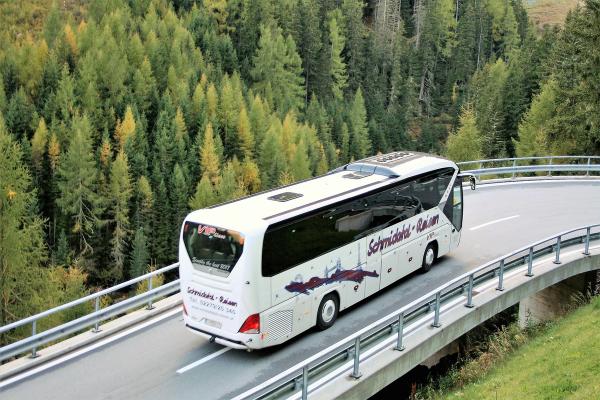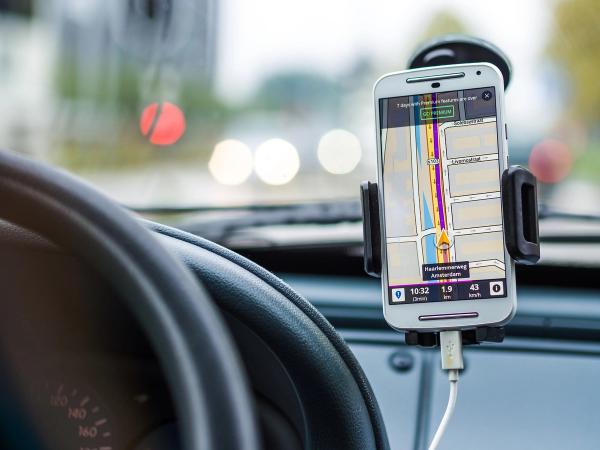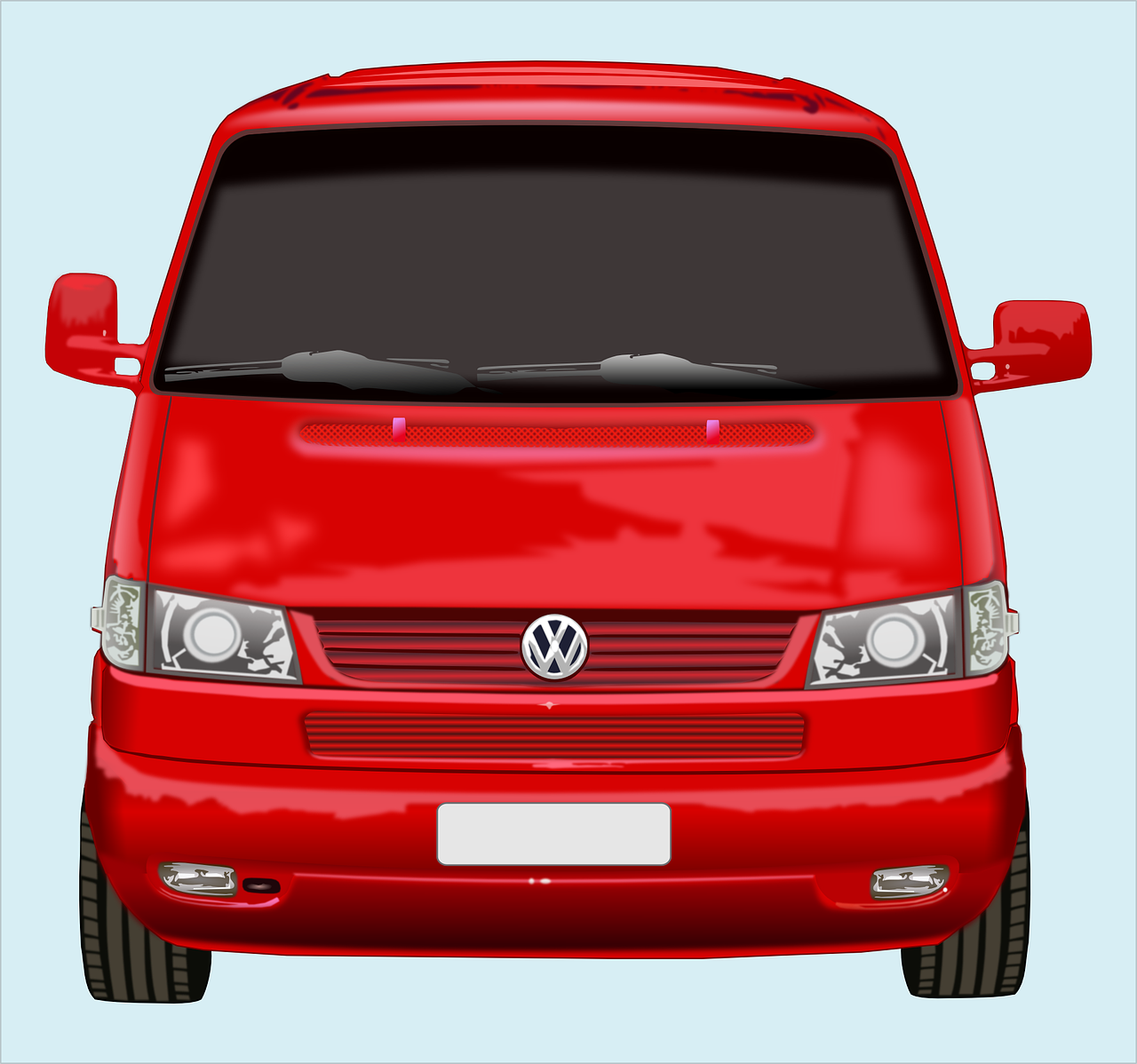
Since the opening of the European Union's internal borders, international passenger transport has grown steadily in importance. Far more people now travel to Poland's western neighbours — some visiting family, but a larger group looking for better-paid work. Getting there is the first problem to solve. You can drive your own car or fly, yet when the popular options are compared, travelling by minibus comes out on top.
Booked minibus travel has clear advantages, but it is worth knowing that not every carrier is equally honest, and the vehicles used for international and domestic routes are not equally equipped. Why is transport from Katowice worth considering, and what should you check when booking passenger transport out of Silesia?
Why travel internationally by minibus
The first thing that becomes obvious when you look closely at Poland–Germany minibus routes is the saving. Work out how much fuel your car needs per 100 km, multiply it by the distance to your destination, and the figure adds up quickly. Contact a transport company running services from Katowice and the fare per seat will usually compare very favourably against fuel alone. Cost, however, is not the only advantage.
The driver collects you and your luggage from your door and delivers you to the address you give. No navigating, no changes, no hauling suitcases between platforms. Passengers travelling abroad from Katowice can also count on the route being planned sensibly — as direct as possible, with breaks taken at safe, guarded parking areas. Prices among Silesian carriers do vary, and the fare per seat matters, but it should not be the only thing guiding your choice.
How to choose an international carrier
International routes are far longer than domestic ones, which makes the standard of the vehicle worth much closer attention. On a short journey a missing comfort goes unnoticed; across many hours it becomes genuinely tiring. Here is what to verify before you commit.
Safety comes first. Beyond that, look at whether the seats recline, whether the air conditioning works properly, and whether there is a screen or Wi-Fi on board. Together these turn a long journey into a manageable one. Terms differ between operators, so establish before departure whether the route involves a change of vehicle. Ask roughly how many stops are planned and when you can expect to arrive. Road conditions can shift the timing, but you will at least have a realistic estimate.
Driver experience
Long routes demand sustained concentration, which is why the person behind the wheel needs real experience. International work calls for the judgement to handle changing road conditions and a strong sense of direction — GPS is not always enough, and routes sometimes have to be adjusted on the move. On top of that, every country brings its own traffic regulations, and a professional driver is expected to know and follow them.